
Pixel Puzzles
Deciphering the logic systems that defined a generation: from falling tetrominoes to complex tactical grids.
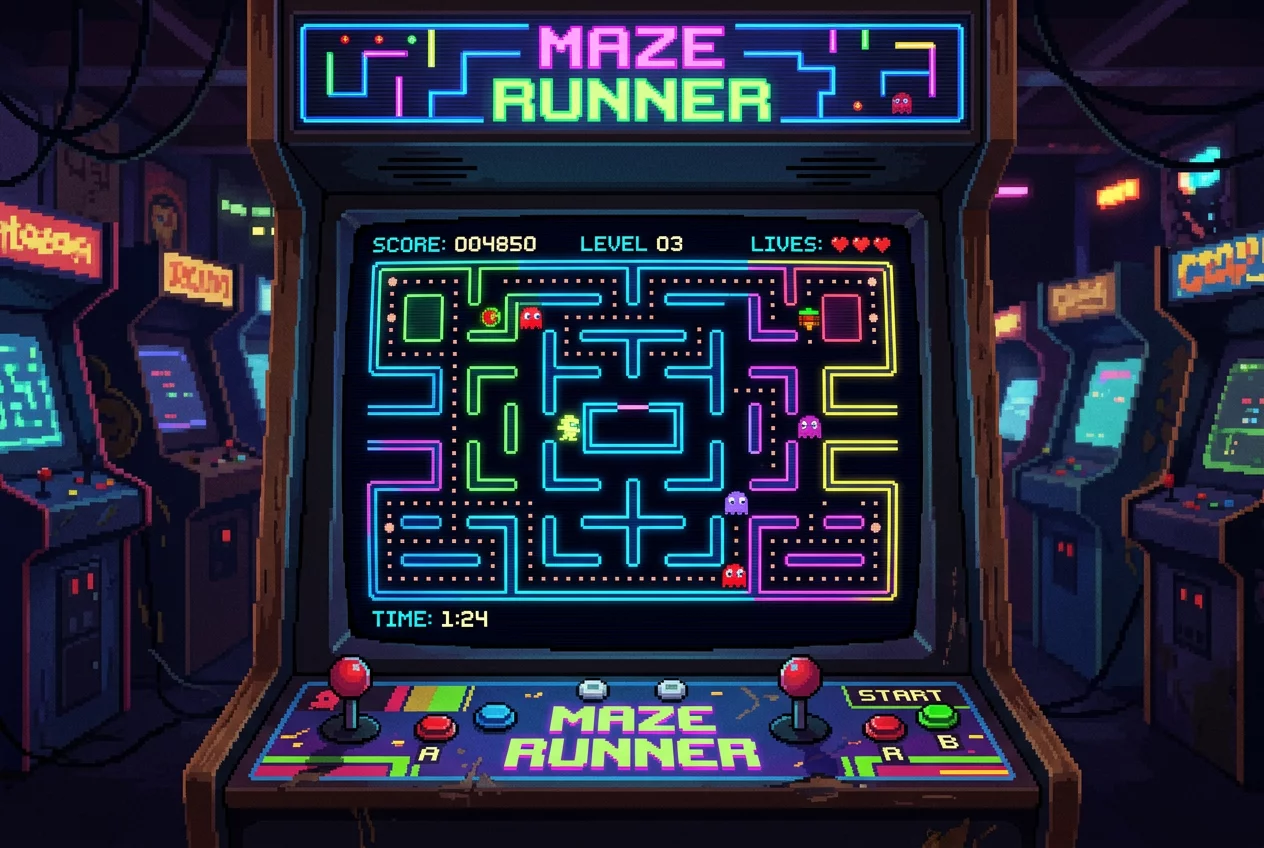
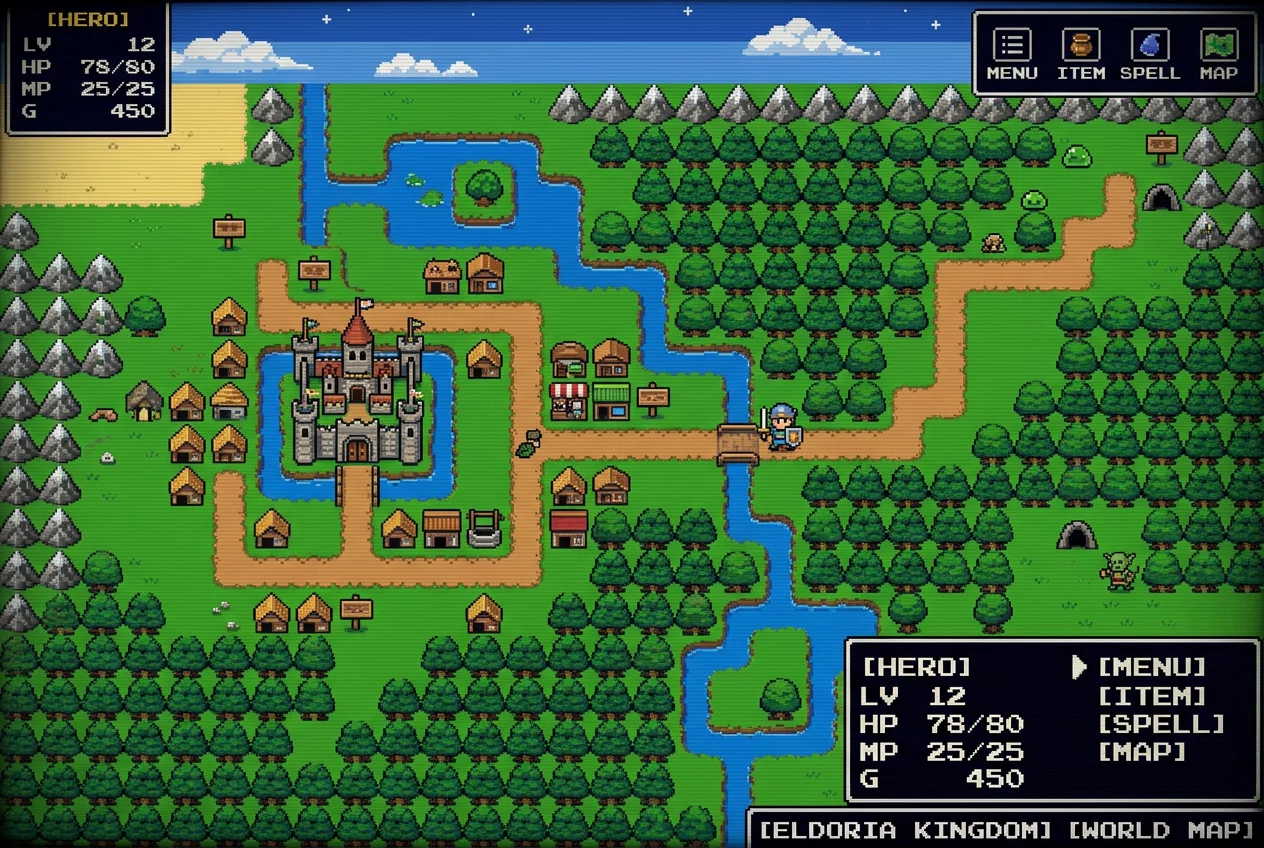
Retro puzzle games were never just about moving blocks; they represented a pure battle between the player and a set of mathematical constraints. In an era where hardware limitations meant developers couldn't rely on cinematic visuals, the focus shifted entirely to core mechanics. Whether it was the rhythmic precision of tile-matching or the methodical exploration of grid-based labyrinths, every pixel carried a functional purpose. These titles demanded spatial awareness and quick thinking, often wrapping complex logic in deceptive simplicity.
The Architecture of Eight-Bit Logic
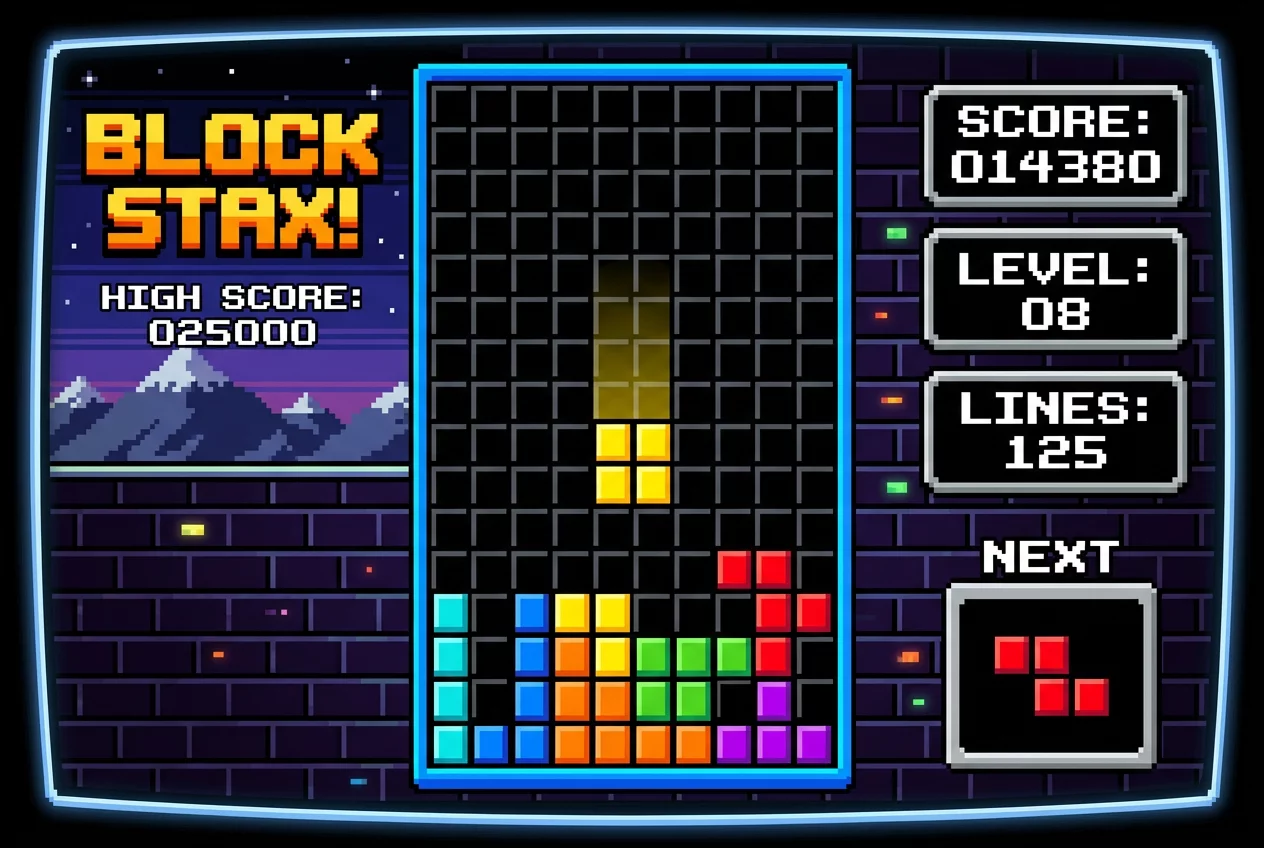
The brilliance of the 8-bit puzzle genre lies in its accessibility. Take a look at the most famous block-falling games: the mechanics are explained in seconds, yet mastering the gravity and rotation logic takes a lifetime. In these games, the screen is usually a fixed plane, allowing the CPU to track every single square coordinate with absolute precision. This reliability creates a 'fair' challenge where failures are strictly the result of a player's miscalculation rather than a glitch in the code.
-
Pattern Recognition: Training the eye to see sequences before they fully materialize on the grid.
-
Resource Management: Navigating limited inventory or energy while solving environmental hurdles.
-
Time Pressure: The psychological element of speed that forces mistakes in otherwise simple logic.
As we look back, it is astounding how these digital brain-teasers still hold up. Modern iterations often add flashy particles and 4K textures, but the underlying 'Pixel Puzzle' remains unchanged. It is a testament to the designers of the 80s and 90s who understood that a high-score chase based on mental agility is one of the most addictive forms of entertainment ever conceived.
Players Feedback
This could be your first comment. Share your high score stories!
Leave Your Mark