
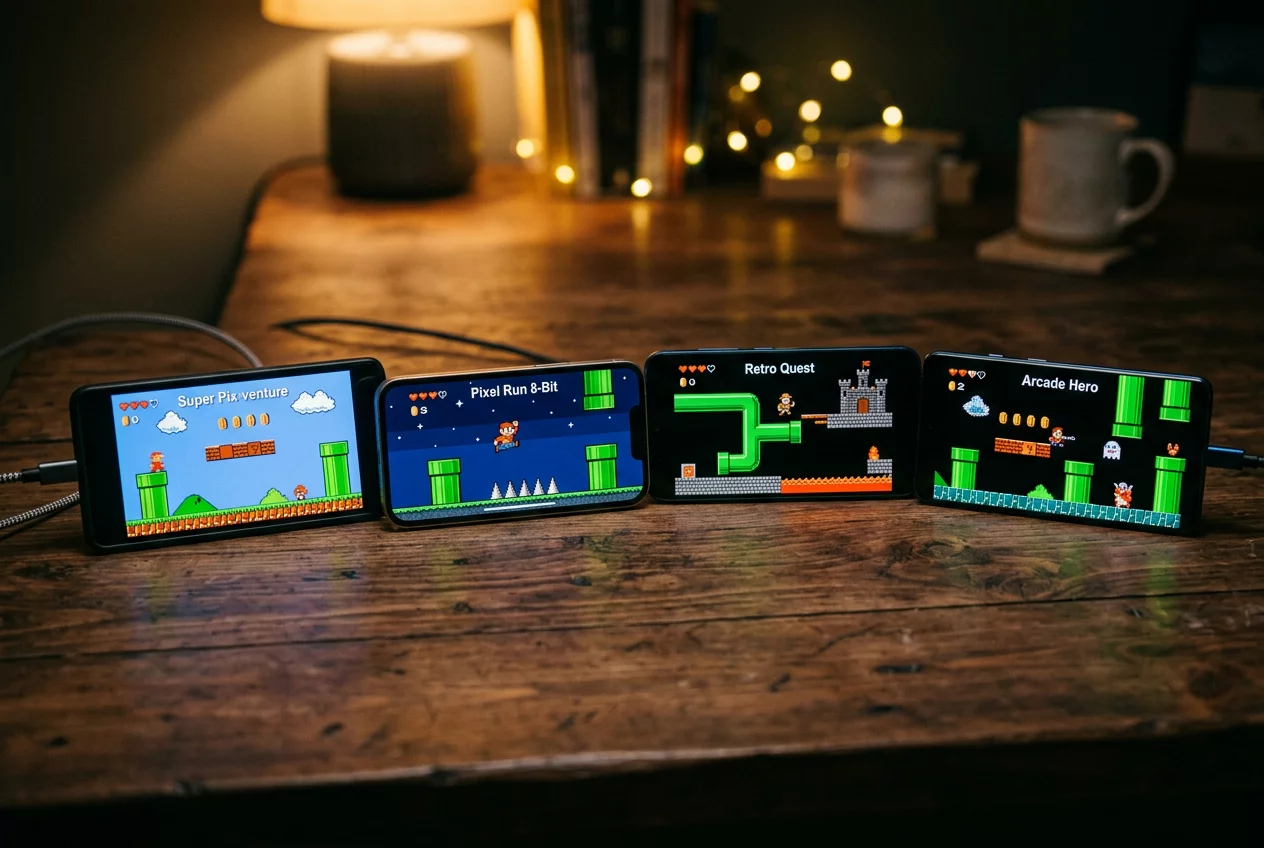
Classic Platformers
Discover the golden era of pixel-perfect jumps, hidden warp zones, and the iconic heroes who defined a generation of gaming.
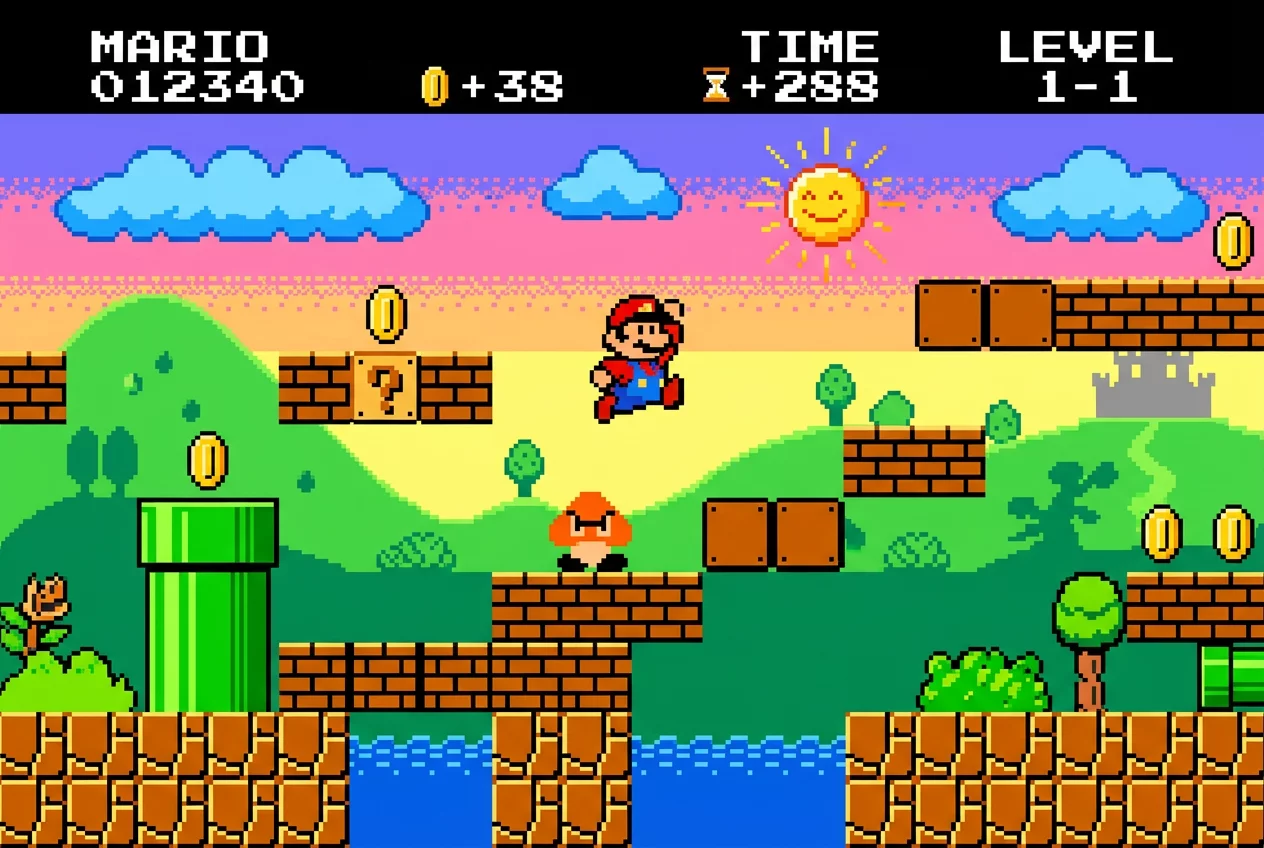
Platformers were the heartbeat of early console gaming. They taught us patience, precision, and the pure joy of discovery. Whether it was navigating through a mushroom-filled kingdom or escaping a crumbling temple, these 8-bit wonders relied on mechanics that were simple to understand but incredibly difficult to master. The limitations of the hardware actually pushed developers to be more creative. They had to rely on vibrant pixel art and catchy chiptunes to build worlds that felt vast and alive despite the technical constraints.
The Evolution of Jump Mechanics
In the earliest titles, jump heights were fixed. You pressed a button, and the character moved through a set arc. Later classics introduced variable jump height based on how long the button was held. Physical momentum became a core part of the experience. Mastering the slide, the sprint, and the precise moment to launch off a platform became a badge of honor among players. It is this tactile feedback that makes playing these games today just as satisfying as it was thirty years ago.
Level Design Secrets
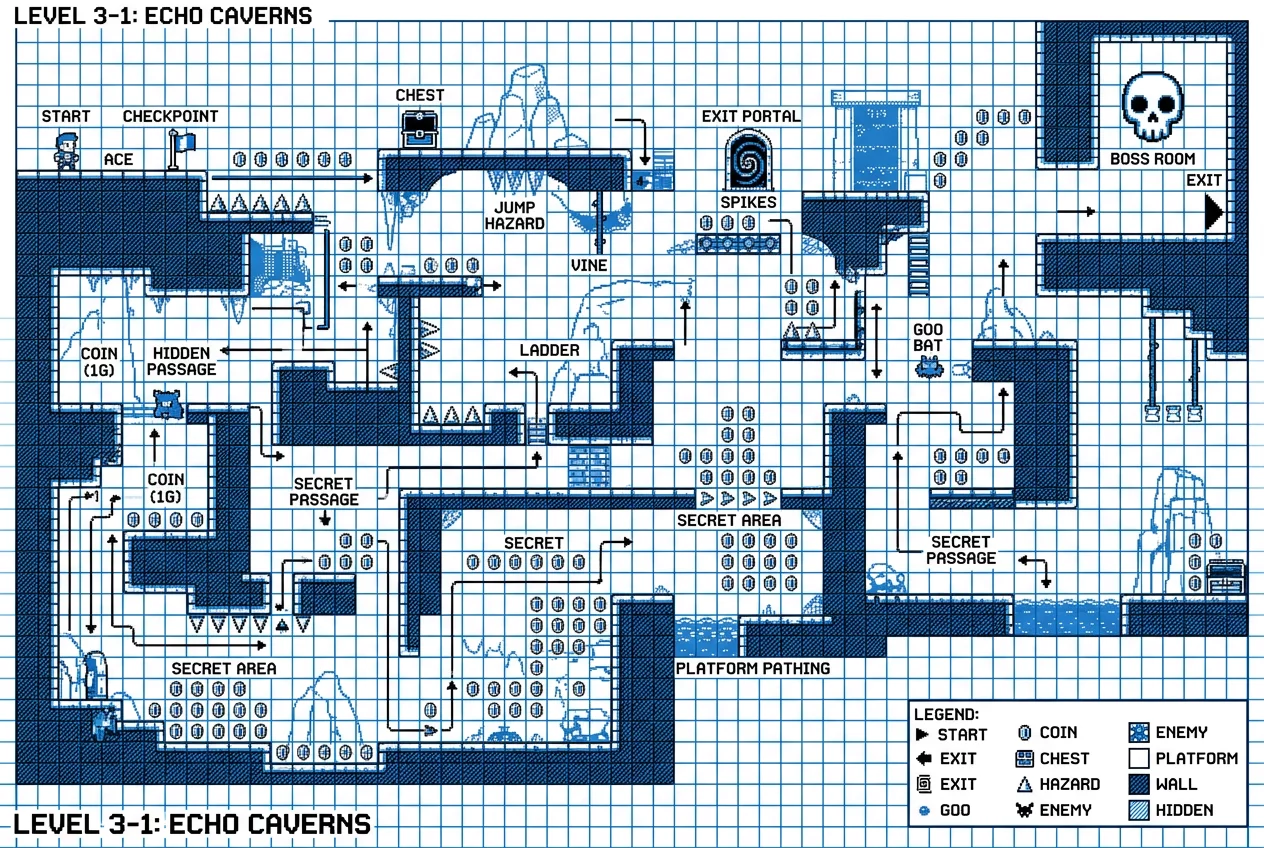
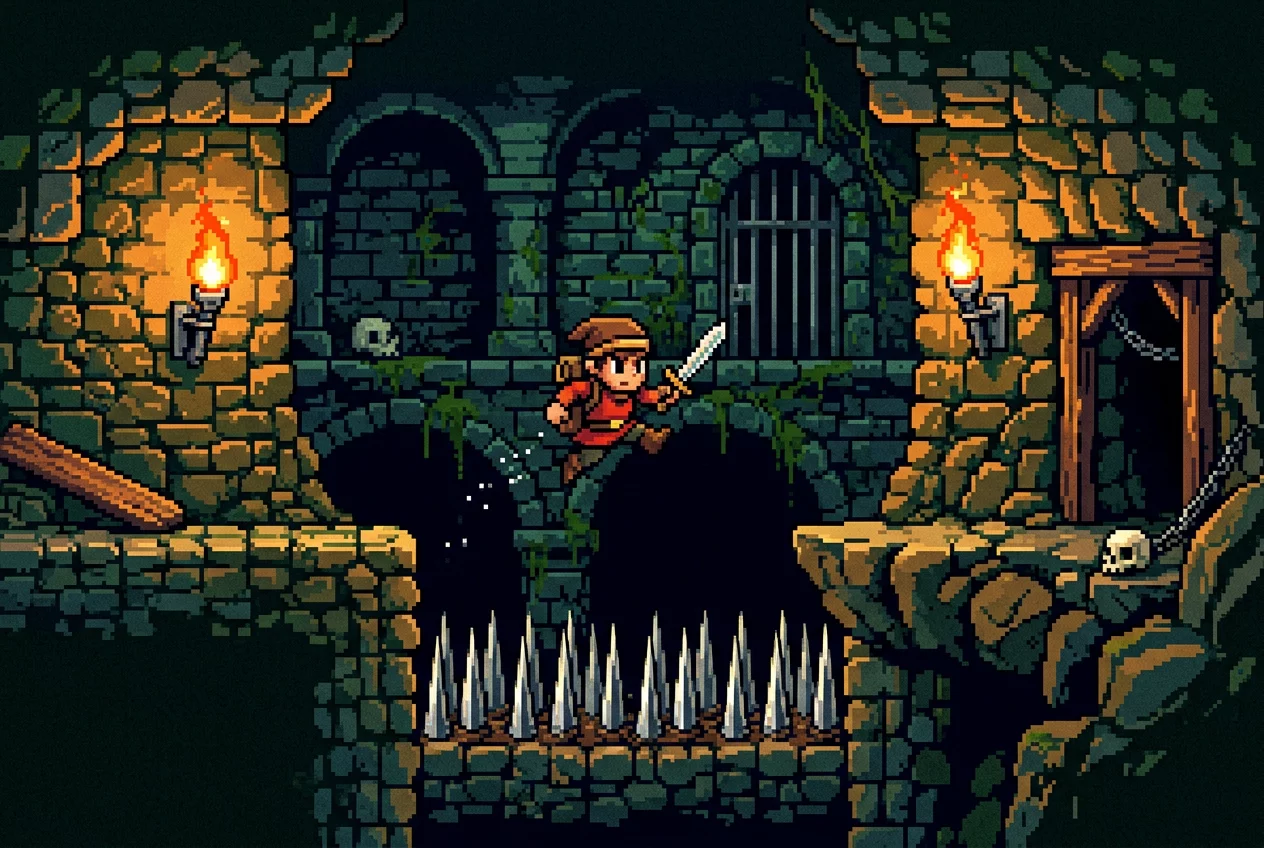
Great platformers use the environment to teach the player without a single word of text. A platform slightly out of reach suggests a hidden power-up. A different colored block hints at a destructible floor. These subtle cues are the mark of geniuses like Shigeru Miyamoto and other early pioneers. The level design often follows a pattern of introduction, expansion, and a final test of the new mechanic, creating a perfect learning curve that keeps players engaged without feeling overwhelmed.
Legacy and Modern Influence
Today’s indie scene is heavily indebted to these classics. Games like Celeste or Hollow Knight take the DNA of 8-bit platformers and evolve it for a modern audience. However, there is still something unmatched about the original experience. The specific sound of a 2D sprite landing on a brick or the tension of having only one life left near the end of a level creates an atmosphere that modern graphics simply cannot replicate. Exploring these games is not just about nostalgia; it is about studying the foundations of interactive entertainment.
Players Feedback
PixelMaster
Verified LegendThis guide brings back so many memories. The level design of these classics was truly ahead of its time. Thanks for the detailed overview!
OldSchoolGamer
Console VeteranI remember spending hours trying to find all the secrets in these levels. The difficulty was brutal but fair.
Leave Your Mark